Do you need an easy math game you can use for any lesson? Try this coordinate plane game!
Students of all ages love playing games in the math classroom. Simply telling your class that you’re playing a game instantly boosts excitement and engagement. Games are a powerful way to get students involved in learning—even your least motivated students are more willing to participate when a game is part of the lesson.
I like to use games that are quick to set up and flexible enough to work with any type of math question. One of my favorites is a coordinate plane game that’s similar to Battleship. It is an easy math game you can use for any lesson!

Getting Started With the Easy Coordinate Plane Math Game
Getting started is easy. First, give each student a sheet of graph paper. You can print graph paper with a coordinate plane already included, or have students draw their own. I typically use a coordinate plane that goes from –10 to 10 on each axis. If your students haven’t learned negative numbers yet, you can simply use the first quadrant. Math-Aids.com is a great free resource for printable graph paper.
Next, choose a set of questions for students to solve. These can come from a worksheet, task cards, or your textbook—any set will work. You’ll also want a way for students to check their answers. I usually provide an answer key for each group or allow students to use calculators to check.
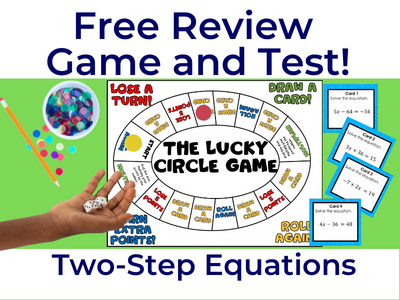
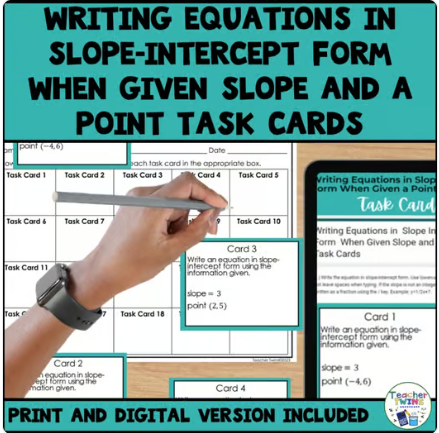
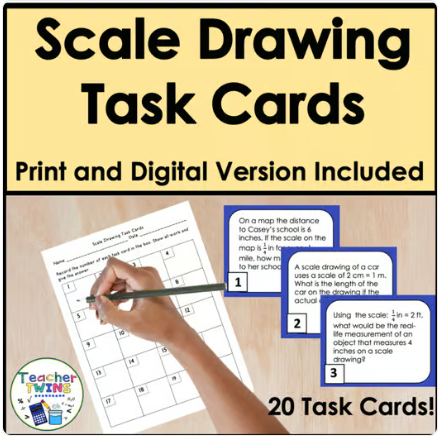
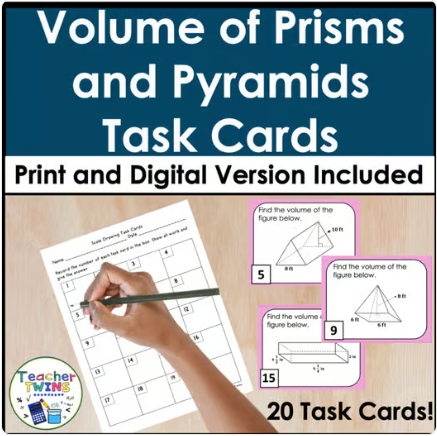
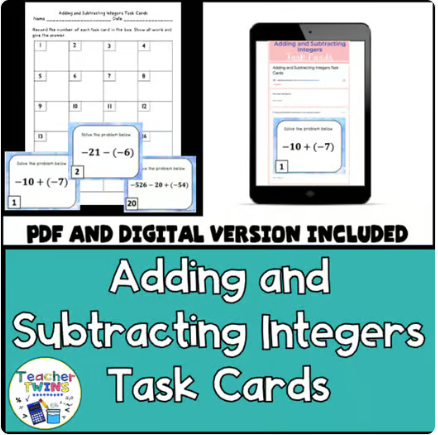
This simple setup creates an engaging, interactive way for students to practice math skills while having fun. Click below to check out our task cards that work perfectly for game review.
How to Play the Easy Coordinate Plane Game
Rules of the Game
1.) Students work in pairs (Player A and Player B).
2.) Each student creates their ships on their own coordinate plane. Make sure partners do not see each other’s boards.
Students draw one 3-point ship, two 4-point ships, and two 5-point ships, placed vertically or horizontally.
3.) Students sit facing each other with their coordinate planes in front of them.
4.) Player A solves the first problem. Player B checks the answer using the answer key or a calculator.
~If Player A answers correctly, they earn a chance to “hit” by calling out an ordered pair with x and y values between –10 and 10. If the ordered pair hits a ship, Player B must say so.
If Player A answers incorrectly, they do not get a turn to call an ordered pair.
5.) Player B then solves the next problem while Player A checks. If Player B is correct, they get a chance to call an ordered pair.
6.) Students continue taking turns until time is up or all questions are completed.
The winner is the student who sinks the most ships or has the most hits.
If you have an odd number of students, create a group of three. Students can rotate roles as Player A, Player B, and Player C.
This game is easy to set up and students truly enjoy it. It’s a great activity to keep in your teacher toolbox because it works with any math topic and any grade level. All you need is graph paper and a set of questions—and you’re ready for an engaging, cooperative learning experience
Classroom Management Tips
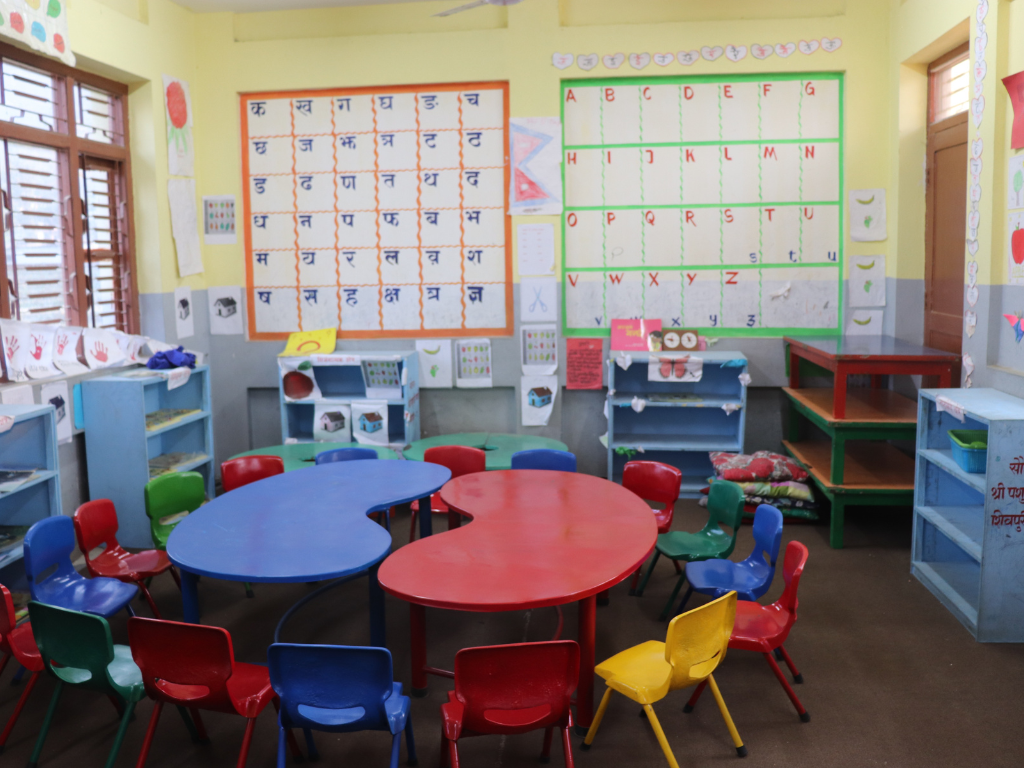
To keep the game running smoothly, set clear expectations before students begin. Review noise level guidelines and remind students that this is a learning game, not free time. I like to model one round with a volunteer so everyone understands how turns work. Circulate around the room as students play to answer questions, check for understanding, and ensure everyone stays on task.
If students finish early, have them switch partners or add ships to their coordinate planes for another round. For accountability, you can require students to record each ordered pair and whether it was a hit or miss.
Conclusion
This math coordinate plane game is an easy, engaging way to help students practice math skills while working cooperatively with their peers. Because it works with any set of questions, it’s a flexible activity you can use throughout the year for review, practice, or enrichment. Best of all, students stay motivated and excited about learning.
With just graph paper and a few problems, you can turn an ordinary math lesson into an interactive experience your students will actually look forward to. Add this game to your teacher toolbox, and watch student engagement soar!
Want more games for your teacher toolkit? Click below to get a free set of task cards and games. You can also read the blog to find out more about the games : Math Review Games That Make Learning Fun.